Turkish people love tea. They drink thier tea out of cute little glasses that are in the shape of tulips. Usually strong and sweet. Not only do Turks drink strong black tea but they are also great believers in herbal teas. When I went to visit my husbands uncle up in the mountains I was served tea but it was coloured one was a pale yellow, another a bright green and another almost clear. It was cold the pot belly stove roaring away and everyone was feeling the cold. Someone was coughing another was sleeping and the rest were all chatting away. I had no idea what the different teas were, so over the course of the evening they served me one of each.
Sage Tea - The sage grown up in the mountains is different to what I was used to seeing so I didnt recogise it when they showed it to me. They said it is good tonic for stomach problems and for general wellbeing. I have also heard that is very good for nerves or during times of stress. Click here for more information about the benifits of Sage.
Mint Tea - I have a strong aversion to mint. I cant stand the smell of it especially if it is artifical or spearmint. I had to be gracious and drink this as many eyes were upon me. Mint tea they say will warm you up and is very good for the digestion and also for the stomach. Click here.
Apple Tea - Apple tea is sold at all the tourist places throughout İstanbul and the Grand Bazaar. It is given mainly to people who have a cold or flu to stop coughing and to loosen flem. It is also good for loosing weight as it speeds up your metabolisim. I have made this when I had a bad cold and I really do think it helped. The villagers up in the mountain usually peel one or two apples and then boil the peel for a few minutes then drink it. You can use dried apple as well.
Linden Tea - This tea is very popular, Im not a big fan but will drink a glass or two on occasion. It also is supposed to be very good for cold and flu sufferers. Click here for more information.
Rose Hip Tea - This tea is given to children alot for the high vitamin c content and maybe also because it is bright red. My youngest son will drink this as he loves anything red.
Licorice Tea - This is generally not made as a tea but as a cold drink. I will drink it hot like tea but everyone just looks at me strangely. You can buy this in two forms at the local markets. The root which looks like a normal stick and the hairy offshoots.. I generally make tea from the root and the cold drink from the other. Licorice is a wonderful drink, good for a summers evening. Has fantastic anti inflamatory properties and as most of us would know is very good for coughs and breathing complaint since it is usually the main ingredient of various brands of cough mixture. You can also see bags of liquorice tea being sold on the streets during Ramazan.
Cinnamon Tea - This is a nice tea as well. Turns a nice deep red colour. This is supposed to be very good for those with diabeties. Just put a stick of cinamon in a few cups of water and boil for a few minutes. Drink 3 glasses a day for 10 days. Have a break for 7 days then repeat.
There are quite a few other teas out there with special mixtures being made at the numerous herbalist shops. Good for all sorts of illnesses and complaints. You can go to most areas and find one with the proprietor willing to here all about your aches and pains.
I will give you this recipe for an apple tea that is supposed to help you shed all those unwanted kilos.
1 apple cut into quaters
1 lemon cut into quaters
1 stick of cinnamon
4 black pepper seeds
3-4 cloves
big pinch of linden tea or maybe half a tea bag
2 litres of water
Put it all together in a saucepan and boil until the apple and lemon are very soft. Squeeze out the lemon and apple. Drink hot or cold.
Let me know if the tea works and how many kilos you all loose.

Monday, 28 March 2011

Monday, 14 March 2011
Blogger Banned in Turkey
Hello to all, I haven't been posting any recipes as Blogger has been banned in Turkey again. I can still post and look at my dashboard but it isn't as easy as it was. Blogger must have found a way around how Blogger is banned for us still to be able to use it. I will endeavour to post today and continue, if all else fails I have copied the recipes and will send all my posts from here to my Wordpress site at http://turkishcookingeveryday.wordpress.com/
Wednesday, 2 March 2011
Dolma, Stuffed Dried Peppers and Eggplants
 |
| BEFORE |
 |
| AFTER |
This past summer I along with most of the women in Antep dried vegetables in readiness for the winter. This is part of what the average Antep housewife has to do part of thier seasonal kitchen rituals. I am sure if you have ever seen a tourist photo of Turkey you would have seen the beautiful photos of dried vegetables hanging on strings at the spice stores. I am not a new comer to drying vegetables and fruit. I used to have a dehydrator and make soup mixes, dried bananas and roll ups etc. These Turkish women haven't heard of a dehydrator so they rely on the sun and dry hundreds of kilos of vegetables. My neighbours across the road had quite a large household as it compromised the mother, 2 of her children their spouses and children. She was also the mother of several other children and a herd of grandchildren. Not all of them live in the same city so these women would sit together for hours and hours and dry these vegetables for their children and grandchildren all over Turkey. This is no exaggeration but I am sure they dried over 1000 kilos of eggplants and several hundred kilos of peppers. My effort paled in light of theirs, as I dried just over 100 hot peppers and over 200 small eggplants. I used an apple corer and a knife to skin the eggplants, then with needle and thread you string them up and place in the sun until dry. Nothing is wasted I also dried the insides and have used them in various meals. The peppers are very straight forward to dry as all you have to do is core and seed them then string and hang them in the sun as well. Other vegetables my neighbours dried were zucchinis(for stuffing), some kind of marrow and tomatoes. I dried tomatoes but mine were for putting into olive oil and garlic to be eaten with cheese and olives but my neighbours seeded the tomatoes and took out as much flesh as possible and dried the shells. If any of you out there have a dehydrator I would recommend you do just that with your summer bounty. Dry tomato shells and use a mix of tomato, meat and rice with a bit of oregano to stuff the shells with would be, divine.
In this very used tray (I have scrubbed this, what is left isn't shifting) are about 20 dried peppers and eggplants. I usually boil the kettle and pour the water over these and leave them for 1 or more hours, depending on how much time I have to spare. Then use a rice mixture to fill the veggies with. Some regions in Turkey like the Black Sea and Istanbul use a mixture of meat, currants and pine nuts to fill their dolmas with but since my husband is from Adana that is the way I generally prepare ours.
It depends on how many veggies you want to fill as to how much rice you will need. I am also an over stuffer; it has taken me years to realise less is best in some things and filling dolma is one of those occasions. Taking that into consideration I now only fill 3/4 of the way sometimes less if I haven't made enough filling.
I will give you the recipe for 8 small size capsicums or sweet long chilies.
1 cup of rice
3 tbs chili or tomato paste
1tbs mint
pinch of cumin
salt
oil - about a quarter of a cup
(the above is the traditional recipe, I will give you some additions to add if you like)
1 finely diced onion
1/4 cup finely chopped parsley
In a bowl add all the ingredients and mix well. Cut the tops off the chilies or capsicums and deseed. Wash well and fill each with the rice mixture until 3/4 full. Place the veggies in a small saucepan or frying pan. Fill the saucepan with water until it nearly comes to the tops of the veggies, place the lid on the saucepan. Bring the water to the boil then turn down and simmer on medium heat until the rice is cooked (probably 40 minutes). Check the water level as you don't want to run out of water and burn everything. Leave the dolma to cool down in the saucepan with the lid covered after you have taken them off the heat. Serve with a bowl of Cacık, salad and bread.
For those who would rather use meat
150 gr minced meat
350 gr rice
pinch cumin
salt - pepper
1tbs currants
1tbs pine nuts
1tbs pomegranate syrup
Mix well and cook as above.
What do you do in Summer to get ready for the coming winter?


Sunday, 27 February 2011
Turks gave the world Yoghurt!

The Turks gave the world Yoghurt!
Yoghurt is derived from the Turkish word yogurt. The Turks before living in Turkey were nomadic people living in Central Asia. The tribes of the Ottomans and Selcuks were the forerunner of the modern Turks. As they rode slowly across the plains of Central Asia they needed dairy products that would last the trip. They were the first to produce yogurt from sour milk.
 |
| Man selling Yogurt |
I have posted a few yogurt dishes and will post more in the future as it really is a versitile food and can be used in a variety of ways.
Meze yogurt recipes
Yogurt soup recipe
One of the main dishes that is made with yogurt is Cacık it seems to be eaten all over Turkey and comes in 2 forms. One is thinner and eaten more like a soup that is eaten in the eastern areas and the other, thicker one featuring in İstanbul cuisine. I will also give you the recipe for Ayran, this drink is drank everywhere but probably mainly as a Street food, served alongside Döner.
Cacık Istanbul Style
500gr of plain yogurt
4 medium cucumbers
1tbs dried mint
2 cloves garlic, or more if desired
water
Place the yogurt in a bowl and whisk well. Put aside and grate the peeled cucumbers.(I don't peel but most people do)Add the grated cucumber in with the yogurt and stir well. Mince the garlic and add to the yogurt mix along with the dried mint and stir well. This depends on you, if your yogurt wasn't too thick to start with water will not be necessary. If you used a very thick yogurt like Greek style you might want to add a very small amount of water. You want this to be spoonable but not runny. The recipe calls for a small amount of olive oil (2 tbs) to be added, I don't but feel free to do so yourselves.
Cacık Eastern Style
500gr yogurt
4 medium cucumbers
1tbs dried mint
2 cloves garlic, or more if desired
2 cups of water
Cut the ends off the cucumbers and finely dice them. Put aside. Put the yogurt into a bowl and whisk well. Add in the diced cucumbers, minced garlic and dried mint. Stir well. Add in the water and stir well.
Both of these recipes are served in little bowls on the side. The water in the second version can be increased slightly if desired, as I have been to homes where unexpected visitors have come and more water is added into the cacık to spread it around. The amount of garlic is really up to personal taste but 2 cloves is a good starting point. Also some people add a pinch of salt to their cacık.
Cacık is served as a side dish along with salads and pilavs.
Ayran
500gr plain yogurt
2 cups of water
pinch of salt
In a jug add everything together and using a stick blender, blend for a few seconds. Serve cold.
I really like Ayran, especially in summer when its too hot to eat anything except watermelon.
 |
| Old yogurt factory in Silivri |
I forgot to say that the Silivri Yogurt Festival usually begins at the start of the Summer school holidays, there is a great outdoor, beachfront market that is open until late with live music. They have several large name singers come to perform for a week and at this time there is the usual Oil Wrestling competitions you can attend.
Friday, 25 February 2011
Sigara Börek, Cheese Rolls
Sigara böregi ("cigar börek," named for its shape) is filled with feta cheese and parsley.

When we lived in İstanbul my 2nd son was at a loss for something to do so I suggested he found a job. We saw a sign in a window of a Börek shop saying apprentice wanted. Just the thing for him as he liked cooking at the time, was 12 years old and ate alot. The apprentice system in Turkey is a bit different from other places, some places will pay them some wont, some will work them to death others whilst others are a bit more child aware. This Börek shop was ok they definately made him work, sweeping the floors, making the tea, making deliveries etc but at the same time fed him well, gave him some pocket money, trained him by teaching him how to make them and also by giving him left overs to bring home to us. The owner was from Tunceli, home of the famous Tunceli börek and he also had won first prize making this Börek.
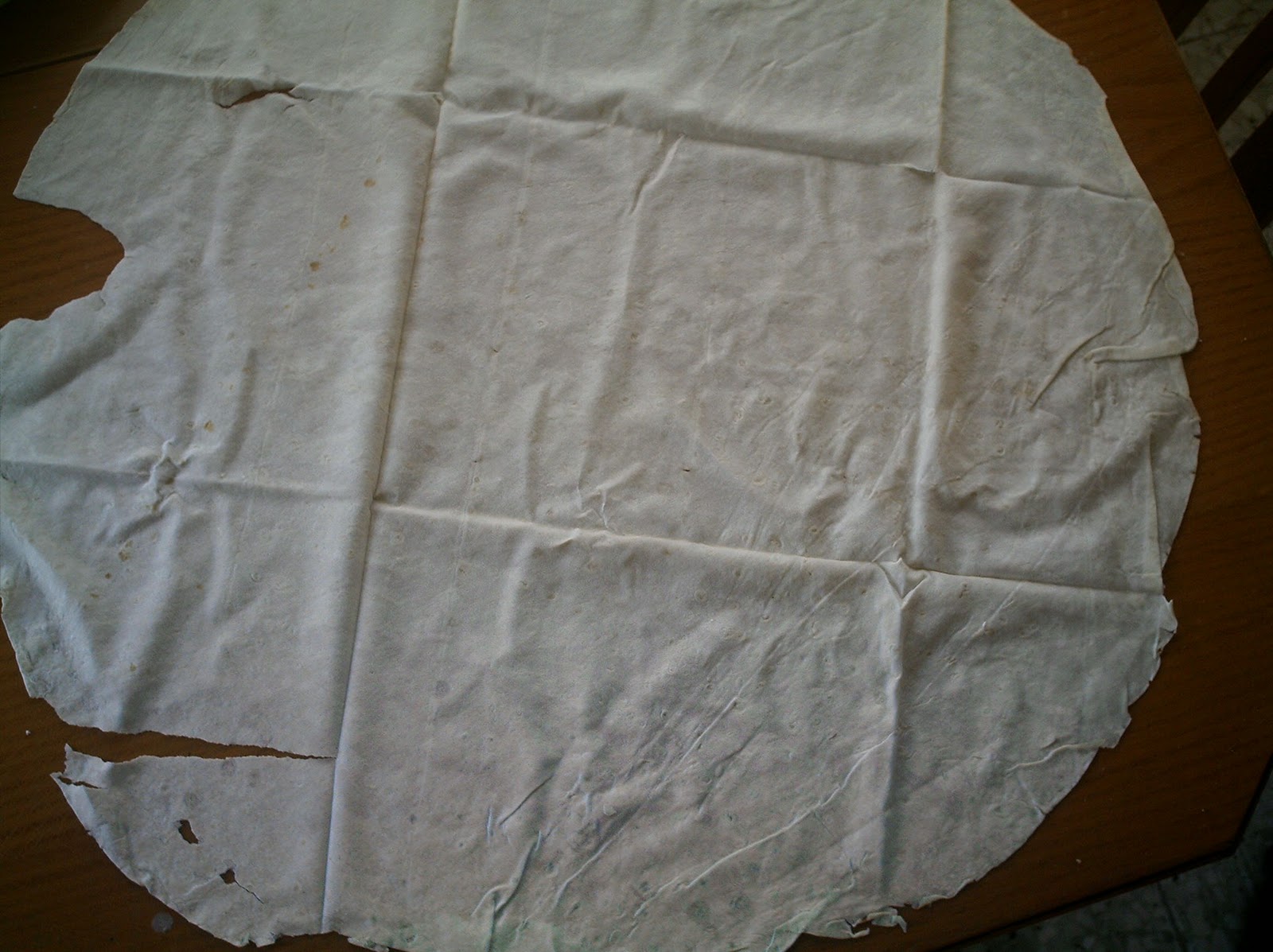
Börek is a type of baked or fried filled pastry, popular around the Mediterranean Sea, the Slavic cuisines, throughout the Balkans and the former Ottoman Empire. They are made of a thin flaky dough, yufka in Turkish or better known as phyllo pastry, and are filled with white cheese, fetta, minced meat, potatoes, onions or other vegetables. Börek may be prepared in a large baking tray and cut into portions after baking, or as individual pastries. A variety of vegetables, herbs and spices are used in böreks such as spinach, nettle, leek, potato and eggplants.
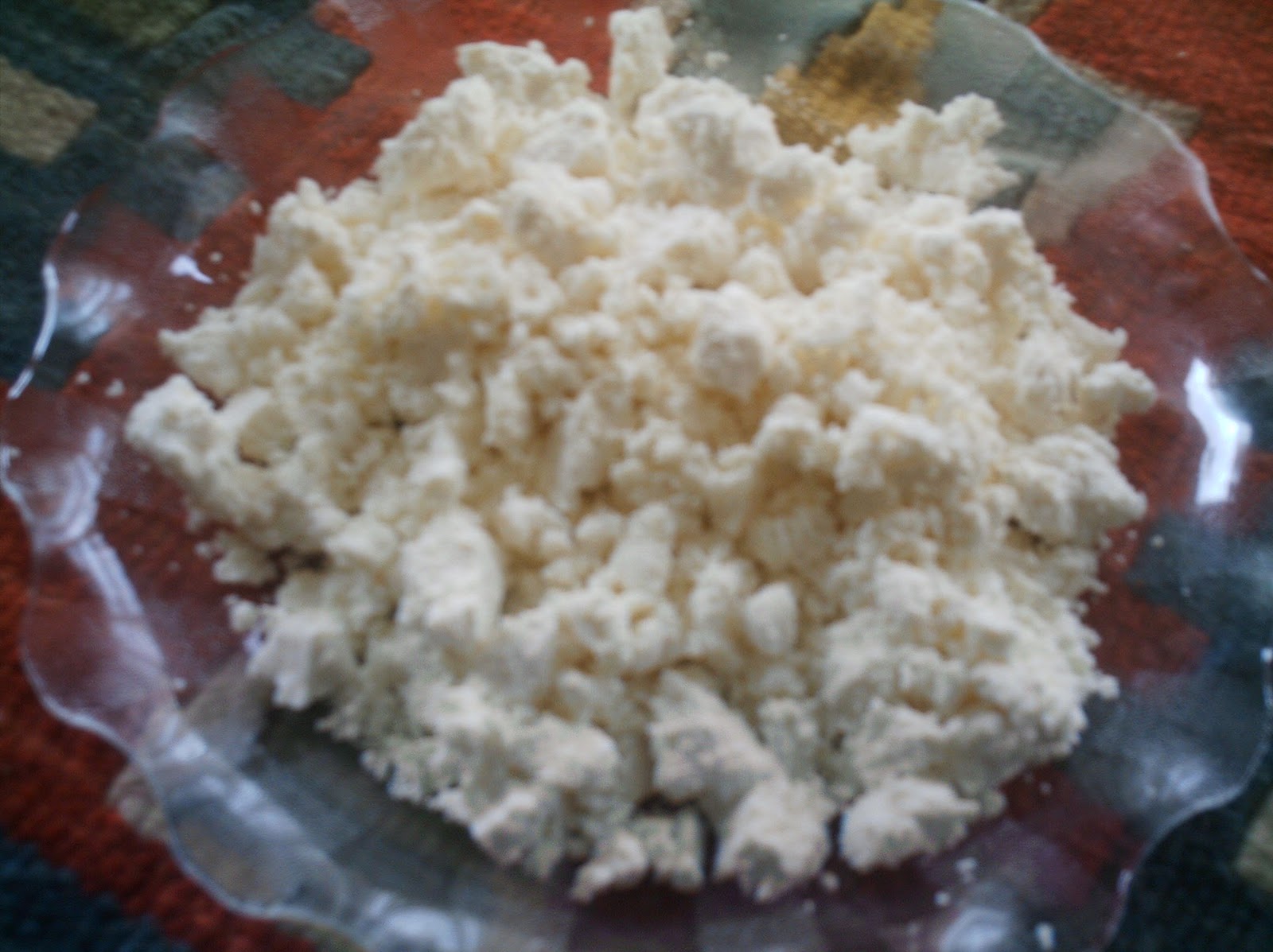 |
| Lor Peynir - Cheese |
200gr contiental cottage cheese or crumbled fetta cheese
1/2 cup of finely chopped parsley
enough phyllo sheets for about 20 rolls
oil for frying
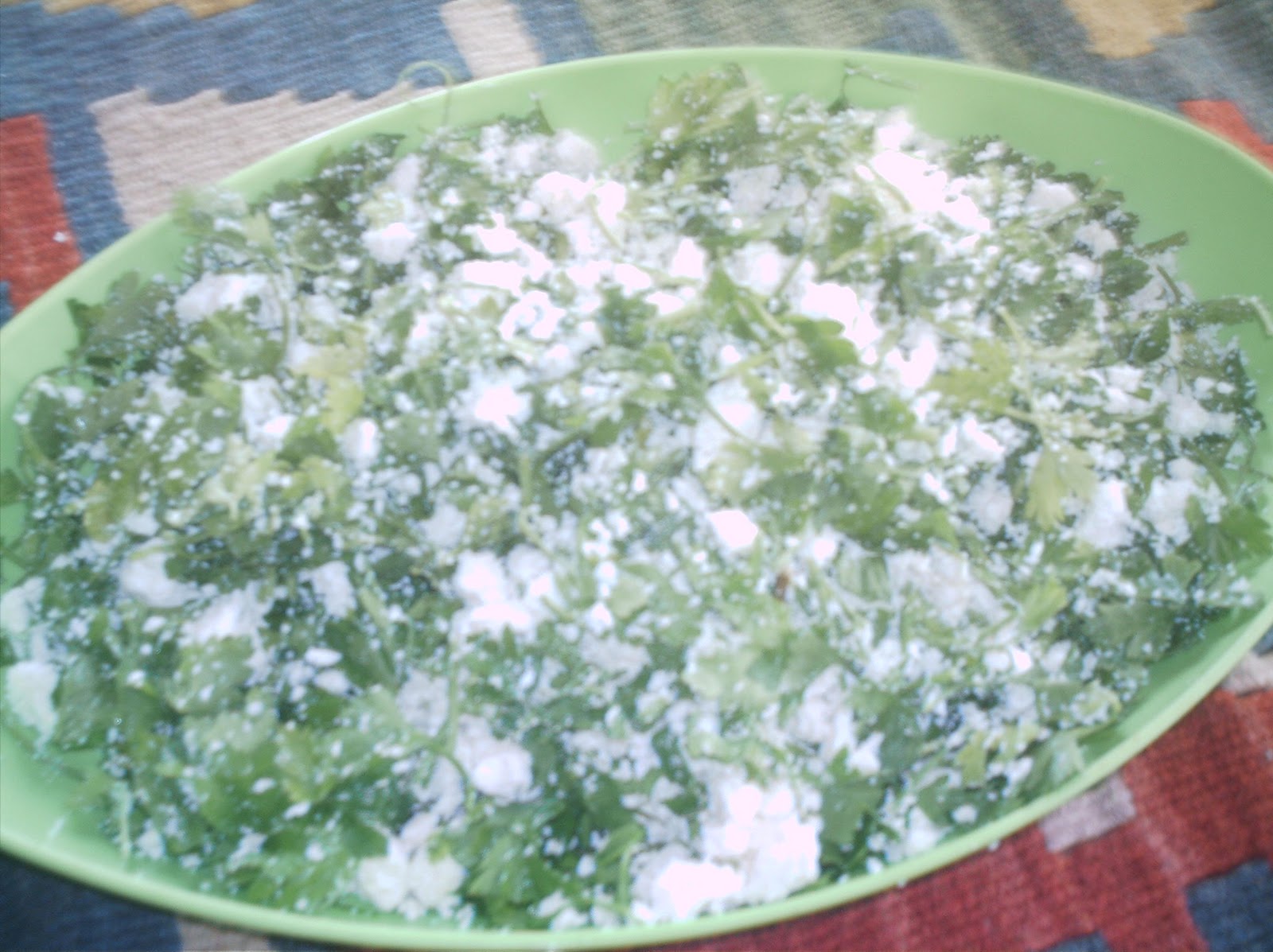 This makes about 20 rolls if you dont over fill. Put the cheese and parsley into a bowl and mix well. ( you can add chili flakes if you wish, I dont add salt as the cheese is usually salty enough)Place the cut phyllo sheets on the counter or table and place a teaspoon amount of the mixture on the bottom of the sheet. Roll up tightly and seal the edge with water. Continue with the rest of the mixture. Heat up enough oil - 250 ml - in a saucepan and deep fry the rolls until golden in colour.

Thursday, 24 February 2011
Yayla Çorbası - Yogurt Soup
 |
| Yogurt Soup, bowl of pickled chilies and a glass of Şalgam |
1 egg yolk
2 cups water
1 small handful rice
1tbs dried mint
1tbsp butter
1tsp tomato paste
Put the yogurt into a saucepan and whisk, add in the egg yolk and water, whisk again. Place on stove and heat on medium heat (do not let it boil) add in the rice and stir. Leave on medium heat until rice is cooked, 10 minutes or more depending on rice. Add in the mint and stir, you want to add enough so it has green flecks all through it. After the rice is cooked take of heat. In a small saucepan or frypan melt the butter, add the tomato paste and stir well. Once they have combined pour on top of the soup.
You want to keep a close eye on this soup when you make it, stirring frequently. You don't want it to boil and then curdle. Some people add salt to it but I don't as I think the yogurt has enough zing without it. Add a pinch if you want salt. Do not be tempted like I was once to add more rice, you only want a small handful in it or you will end up with mint flavored rice pudding.
I first had this soup when my MIL sent it to us in a metal pail. I was hesitant at first as I didn't want to be eating hot yogurt. It is quite a comforting soup and is given to small children, pregnant women, the aged and infirmed. Yayla means tablelands or plateau so as you can guess this is a soup they say has come from the mountains.

Friday, 18 February 2011
Istanbul Sephardic Chicken Soup
Istanbul is a wonderful city, I lived there for a year and a half and loved it. People from all over Turkey go there to find work and a better life. The apartment I lived in had people from everywhere. Sivas, Urfa, Bulgaria, Ankara and from various regions of the Black Sea. A couple of ladies were from Istanbul, Kadikoy when they were younger, thier families still having the ancestral home there. They were all a wealth of stories and recipes. Whilst the lady who gave me this recipe is not sephardic herself it was a family favorite and she passed it on to me.
Turkey has a wealth of soup and yogurt recipes, many of which I have made myself. This soup has yogurt in it, don't let that put you off. I have enjoyed alot of yogurt soup dishes many of which I never thought I would have. After moving to Antep it led me to discover a local dish made for one of the festivals, Yuvarlama. Yuvarlama is made with meat and rice meal made into köftes then cooked in a meat and yogurt sauce. If mixing meat and dairy is not your thing you can also make it with chicken and yogurt and which is equally delicious. But here I'm getting away with myself, I will post that another day.

500 gr chicken thigh or legs
1tsp salt
1onion, sliced
2 large leeks
3 Celery stalks
2 tbsp olive oil
chicken stock, 4 cups
long grain white rice, one handful
2 egg yolks
1 ½ cups yogurt
1 tbsp cornstarch
1 ½ tsp butter
1 tbsp dried mint,
chili powder to taste
Put chicken thigh into a stock pot. Cover with water just 2cm above chicken. Add salt. Bring water to boil. Skim foam from the top of water. Cover pot and reduce heat to simmer. Simmer for three minutes, remove from heat and allow to sit covered until cool. Slice leeks in half and wash well. Chop leeks and celery. Heat a second stock pot over medium heat. Add oil and vegetables (all). Cover and cook until very tender. Take the chicken from the pot and allow to cool on a plate. Pour water from the stock pot into the vegetables. Add 4 cups of chicken stock. Add rice. Stir, cover and cook for ½ hour. Remove the skin and bones from chicken and tear into small pieces. Add chicken back into the pot. In another smaller pot, heat ¼ cup water, cornflour, egg yolks and yogurt over low heat. Stir constantly, after the mixture thickens, stir into soup. In a small frypan melt the butter, add the mint and chili powder and fry for a minute. Pour on top of the soup.
Do not let this boil after you have added the yogurt or it will curdle.
Listen to this great song and look at the shots they have put to the music. Istanbul, not Constantinople!
Turkey has a wealth of soup and yogurt recipes, many of which I have made myself. This soup has yogurt in it, don't let that put you off. I have enjoyed alot of yogurt soup dishes many of which I never thought I would have. After moving to Antep it led me to discover a local dish made for one of the festivals, Yuvarlama. Yuvarlama is made with meat and rice meal made into köftes then cooked in a meat and yogurt sauce. If mixing meat and dairy is not your thing you can also make it with chicken and yogurt and which is equally delicious. But here I'm getting away with myself, I will post that another day.

500 gr chicken thigh or legs
1tsp salt
1onion, sliced
2 large leeks
3 Celery stalks
2 tbsp olive oil
chicken stock, 4 cups
long grain white rice, one handful
2 egg yolks
1 ½ cups yogurt
1 tbsp cornstarch
1 ½ tsp butter
1 tbsp dried mint,
chili powder to taste
Put chicken thigh into a stock pot. Cover with water just 2cm above chicken. Add salt. Bring water to boil. Skim foam from the top of water. Cover pot and reduce heat to simmer. Simmer for three minutes, remove from heat and allow to sit covered until cool. Slice leeks in half and wash well. Chop leeks and celery. Heat a second stock pot over medium heat. Add oil and vegetables (all). Cover and cook until very tender. Take the chicken from the pot and allow to cool on a plate. Pour water from the stock pot into the vegetables. Add 4 cups of chicken stock. Add rice. Stir, cover and cook for ½ hour. Remove the skin and bones from chicken and tear into small pieces. Add chicken back into the pot. In another smaller pot, heat ¼ cup water, cornflour, egg yolks and yogurt over low heat. Stir constantly, after the mixture thickens, stir into soup. In a small frypan melt the butter, add the mint and chili powder and fry for a minute. Pour on top of the soup.
Do not let this boil after you have added the yogurt or it will curdle.
Listen to this great song and look at the shots they have put to the music. Istanbul, not Constantinople!

Subscribe to:
Posts (Atom)